

When planning a construction or renovation project, understanding acm panel price is important for budget control and material selection. Aluminum composite panels are widely used in modern architecture because they combine lightweight performance, durability, and attractive design options.
However, the final cost of these panels can vary depending on several factors, including panel thickness, aluminum skin quality, coating type, core material, and order quantity.
For contractors, architects, distributors, and building owners, knowing what influences pricing can help them make better purchasing decisions while achieving the right balance between quality and cost.
What Factors Affect ACM Panel Price?
The cost of aluminum composite panels is not determined by one single factor. Different specifications and project requirements can significantly influence the final quotation.
Panel Thickness and Aluminum Skin
One of the most important factors affecting pricing is panel thickness. Thicker panels usually contain more material, resulting in higher costs but improved strength and durability.
The thickness of the aluminum skin also plays an important role. Panels with thicker aluminum layers generally provide better rigidity and performance, especially for exterior applications.
Coating Type
The surface coating can also impact the overall cost. PE coating is commonly used for indoor applications and is usually more economical.
For outdoor projects, PVDF coating is often preferred because it provides better resistance against UV rays, weather conditions, and color fading. Although the initial investment may be higher, it can provide better long-term value.
Core Material Quality
The core material affects both performance and price. Standard polyethylene cores are suitable for many general applications, while fire-resistant mineral cores are designed for projects with higher safety requirements.
Choosing the right core material depends on the building type, local regulations, and project expectations.
Why ACM Panels Are Popular in Construction
Beyond cost considerations, aluminum composite panels offer many advantages that make them a preferred choice for modern buildings.
Lightweight and Easy Installation
Compared with traditional facade materials, aluminum composite panels are lightweight and easier to handle. This reduces transportation difficulties and helps improve installation efficiency.
Excellent Appearance
These panels are available in various colors, patterns, and finishes, allowing designers to create modern and attractive building exteriors.
Common finishes include metallic colors, wood grain effects, marble patterns, and customized designs.
Long-Term Performance
High-quality panels provide excellent durability and resistance against environmental conditions. With proper installation and maintenance, they can maintain their appearance and performance for many years.
For buyers comparing different suppliers and materials, understanding composite panel price can help evaluate product options more effectively.
Common Applications of ACM Panels
Aluminum composite panels are widely used in different architectural projects because of their flexibility and performance.
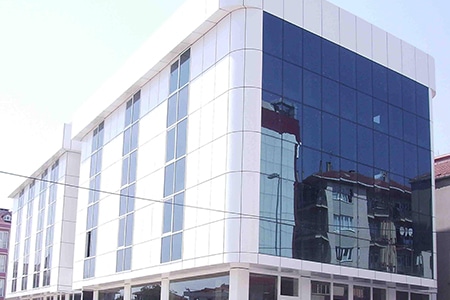
Exterior Building Facades
One of the most common applications is exterior wall cladding. The panels provide a modern appearance while protecting buildings from weather exposure.
They are frequently used in commercial buildings, office towers, hotels, shopping centers, and residential developments.
Interior Decoration
For interior applications, these panels can be used for wall decoration, ceilings, partitions, and decorative structures.
Their wide range of finishes allows designers to create stylish indoor environments.
Signage and Advertising
Because they are easy to cut and fabricate, aluminum composite panels are also commonly used for advertising boards, exhibition displays, and signage systems.
How to Select the Right Panel Supplier?
Choosing the right supplier is just as important as comparing prices. A reliable manufacturer should provide stable product quality, accurate specifications, and professional technical support.
Before placing an order, buyers should consider:
- Product certifications and quality standards
- Available thickness options
- Coating performance
- Customization capability
- Production capacity
- Delivery time
Professional suppliers offering composite panel aluminium solutions can provide different options based on project requirements.
Frequently Asked Questions
Why does ACM panel price vary between suppliers?
Prices can differ because of variations in raw materials, aluminum thickness, coating quality, production standards, and order quantities.
Are more expensive panels always better?
Not necessarily. The best choice depends on the application. Indoor projects may not require premium coatings, while exterior projects often need higher-performance materials.
How can buyers reduce costs?
Buyers can optimize costs by selecting suitable specifications, ordering in reasonable quantities, and working directly with experienced manufacturers.
Conclusion
Understanding acm panel price helps contractors, architects, and buyers make smarter decisions when selecting aluminum composite panels. Factors such as thickness, coating type, core material, and supplier experience all influence the final cost.
By carefully evaluating project requirements and comparing different options, customers can choose panels that provide both excellent performance and long-term value. Whether used for facades, interiors, or signage, aluminum composite panels remain a practical and cost-effective solution for modern construction projects.