

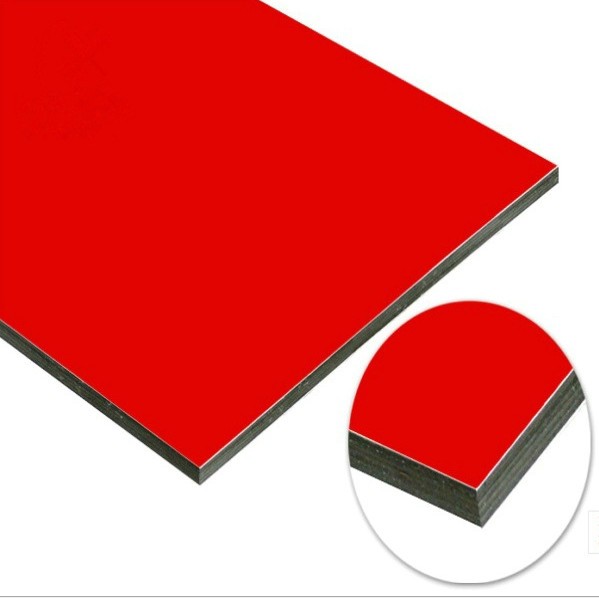
Modern construction projects demand materials that offer durability, flexibility, and visual appeal. Aluminium panel composite has become one of the most widely used building materials for commercial and residential developments because it combines lightweight construction with excellent performance. From office towers to shopping malls and public facilities, aluminium panel composite provides architects with a practical solution that meets both design and engineering requirements.
As architectural trends continue to evolve, aluminium panel composite remains a preferred choice for projects requiring modern aesthetics, reliable performance, and efficient installation.
What Is Aluminium Panel Composite?
Aluminium panel composite is manufactured by bonding two aluminum sheets to a specialized core material, creating a panel that is both lightweight and structurally stable. This construction allows the material to deliver excellent flatness, durability, and ease of fabrication.
Compared with traditional materials such as concrete, natural stone, or solid aluminum plates, aluminium panel composite offers improved installation efficiency while maintaining an attractive appearance. It is suitable for both new construction and renovation projects across various industries.
Advantages of Aluminium Panel Composite
Lightweight and Easy to Install
One of the greatest advantages of aluminium panel composite is its low weight. Lightweight panels simplify transportation, reduce structural loads, and help contractors complete installations more efficiently.
Excellent Weather Resistance
High-quality panels are designed to resist sunlight, moisture, wind, and temperature changes. This makes them suitable for demanding outdoor environments where long-term durability is essential.
Attractive Architectural Appearance
Available in a wide range of colors, textures, and finishes, aluminium panel composite allows architects to create distinctive building facades that complement modern architectural styles.
Low Maintenance
Routine cleaning is generally sufficient to maintain the appearance of the panels. This helps reduce maintenance costs throughout the building’s service life.
Common Applications
Today, aluminium panel composite is widely used in many types of construction projects, including:
- Commercial office buildings
- Shopping centers
- Hotels
- Hospitals
- Educational institutions
- Airports
- Residential developments
- Exhibition centers
- Corporate headquarters
Its versatility allows designers to create both simple and complex facade systems while maintaining consistent product performance.
Factors to Consider Before Choosing
Before selecting ACP materials, buyers should evaluate several important factors.
Panel Specifications
Different panel thicknesses and core materials are designed for different applications. Choosing the correct specification helps ensure long-term performance.
Surface Finish
Coating quality influences weather resistance, color retention, and durability. Premium finishes generally provide better protection in exterior environments.
Manufacturer Experience
Working with an experienced manufacturer helps ensure consistent production quality, technical support, and reliable product performance.
Many contractors also compare panel acp solutions when evaluating available materials for large architectural projects.
Market Trends
Growing urban development and sustainable construction practices continue to increase demand for aluminium panel composite worldwide. Developers are seeking materials that combine attractive appearance with efficient installation and reduced maintenance costs.
As manufacturing technologies improve, modern ACP products continue to offer better durability, expanded color options, and enhanced fabrication capabilities. These improvements help meet the changing needs of architects and building owners.
Some buyers also review exterior acp sheet price information to compare different product specifications and estimate project budgets before placing orders.
Why Quality Matters
Although pricing is an important consideration, selecting high-quality materials often provides better long-term value. Reliable aluminium panel composite products can maintain their appearance for many years while reducing maintenance and replacement expenses.
Choosing certified products from reputable manufacturers also helps ensure compliance with project specifications and building standards, giving developers greater confidence in the finished installation.
Conclusion
Aluminium panel composite continues to be one of the most practical materials for modern architecture. Its lightweight construction, weather resistance, attractive finishes, and design flexibility make it suitable for a wide variety of commercial and residential applications.
By carefully evaluating product specifications, manufacturing quality, and supplier reliability, buyers can select aluminium panel composite solutions that provide lasting performance, architectural appeal, and excellent long-term value.