

The demand for durable and visually appealing building materials continues to grow across the construction industry. Among the many options available today, acp sheet aluminium products have become a preferred choice for architects, contractors, and developers. Their combination of lightweight performance, modern aesthetics, and long-term durability makes them suitable for a wide range of applications.
Whether used for commercial facades, retail developments, office buildings, or interior decorative projects, ACP materials offer flexibility that traditional construction materials often struggle to match. Understanding their advantages can help buyers select the right solution for their project requirements.
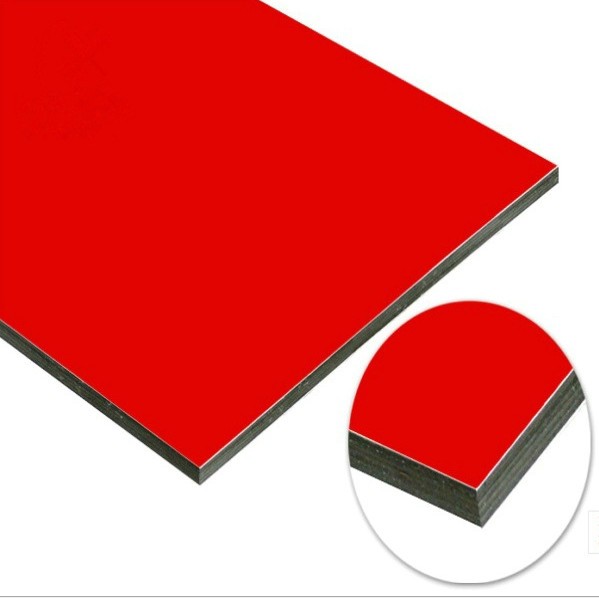
Why ACP Sheet Aluminium Is Widely Used
One of the primary reasons for the popularity of acp sheet aluminium is its balance between strength and weight. Traditional facade materials such as stone, concrete, and solid metal panels can increase structural loads and installation complexity.
ACP products provide a practical alternative by offering durability while remaining relatively lightweight. This characteristic can simplify transportation, reduce installation time, and improve overall project efficiency.
In addition, modern manufacturing techniques allow these materials to be produced in a variety of colors, textures, and finishes, giving architects greater design freedom.
Advantages for Commercial and Residential Projects
Lightweight Construction
Reducing material weight can provide significant benefits during construction. Lightweight panels are generally easier to handle, transport, and install compared with heavier alternatives.
Attractive Appearance
Modern architectural projects often require clean lines and contemporary finishes. ACP products are available in numerous design options that support both modern and traditional building styles.
Weather Resistance
Exterior building materials must withstand environmental challenges such as rain, sunlight, humidity, and temperature fluctuations. High-quality ACP products are designed to maintain their appearance and performance under demanding conditions.
Low Maintenance Requirements
Compared with some traditional facade materials, ACP systems typically require minimal maintenance. Regular cleaning is often sufficient to preserve their visual appeal.
Common Applications
ACP materials are widely used across multiple industries and project types.
Common applications include:
- Commercial office buildings
- Shopping centers
- Hotels
- Educational facilities
- Healthcare institutions
- Transportation hubs
- Residential developments
- Retail storefronts
- Signage systems
Because of their versatility, these materials can be incorporated into both new construction projects and renovation programs.
Factors That Influence Product Selection
When evaluating ACP products, buyers should consider several important factors.
Project Environment
Outdoor applications may require enhanced weather resistance and specialized surface coatings.
Fire Performance
Many commercial projects require compliance with local building regulations and fire safety standards. Product certifications should always be reviewed before purchase.
Surface Finish
Available finishes may include metallic effects, matte surfaces, stone-inspired textures, and wood-grain designs.
Budget Requirements
Cost remains an important factor in material selection. Many buyers compare composite panel price information to better understand available options and determine which products provide the best overall value.
Working With Reliable Suppliers
The quality of an ACP installation often depends on the supplier behind the product.
Experienced manufacturers typically provide:
- Consistent production quality
- Technical support
- Product certifications
- Warranty coverage
- Customization options
Many project owners research acp sheet suppliers before making purchasing decisions, as supplier reliability can significantly influence product performance and project success.
Choosing a reputable supplier can help reduce project risks while ensuring consistent material quality.
Industry Trends
As modern architecture continues to prioritize efficiency and sustainability, ACP materials remain in high demand. Developers increasingly seek materials that combine attractive appearance with long-term durability and practical installation requirements.
Advances in manufacturing technology continue to improve panel performance, expand design possibilities, and support evolving construction standards. These improvements are expected to further increase the adoption of ACP products across commercial and residential markets.
Conclusion
Acp sheet aluminium remains one of the most versatile materials available for contemporary construction projects. Its lightweight structure, weather resistance, design flexibility, and low maintenance requirements make it suitable for a wide variety of architectural applications.
By carefully evaluating project requirements, product specifications, and supplier capabilities, buyers can select solutions that deliver reliable performance, attractive aesthetics, and long-term value.